


UN accompanies Cuba’s efforts in recovery after Hurricane Melissa
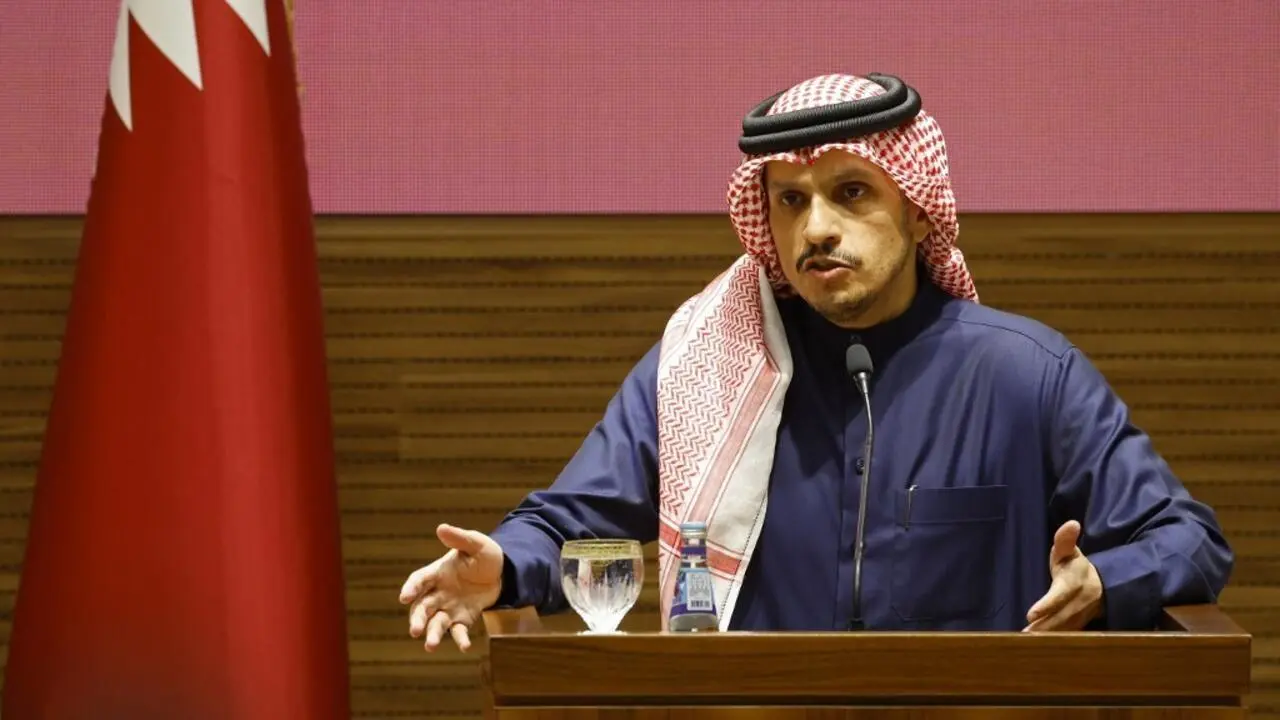
“The protection of 735,000 people before and during the hurricane is a direct testimony of the effectiveness of the Cuban disaster prevention and response system,” said the UN resident coordinator in Cuba, Francisco Pichón.
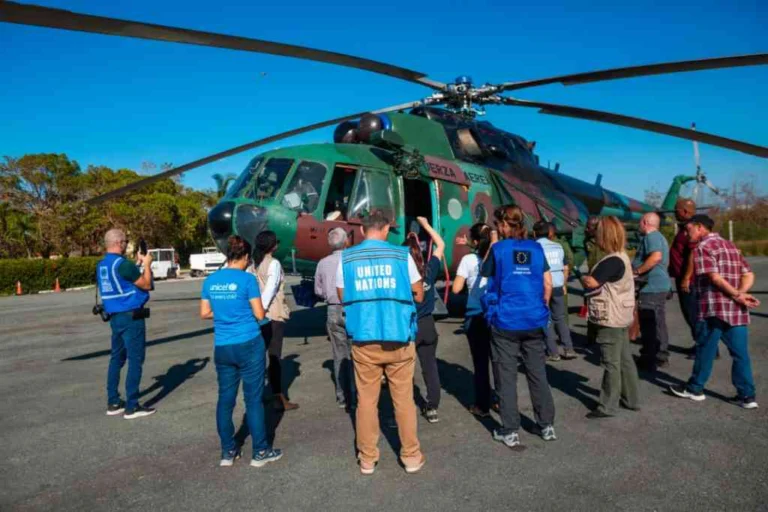
“Cuba’s challenges are also the challenges of the United Nations System,” Pichón said. Photo: Cubadebate
November 12, 2025 Hour: 6:49 pm
🔗 Comparte este artículo
The United Nations System in Cuba reaffirmed its commitment to support the Cuban State in recovery actions after the impact of Hurricane Melissa, which hit the east of the country at the beginning of the month.
The UN Resident Coordinator in Cuba, Francisco Pichón, highlighted the effectiveness of the Civil Defense system and the country’s institutional capacity to safeguard human lives, while announcing the implementation of an Emergency Action Plan and the application of the Anticipatory Action Framework, both designed to mobilize resources and international assistance in the face of the damage caused by the meteor.
RELATED:
Venezuela Delivers 5,000 Tons of Humanitarian Aid to Cuba After Hurricane Melissa
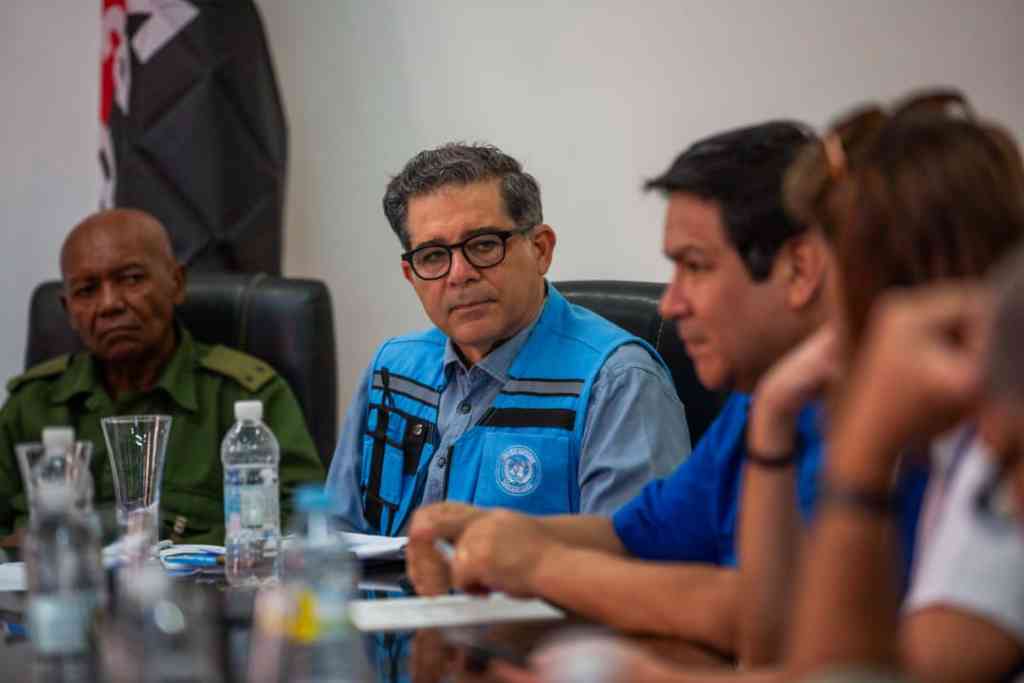
“The protection of 735,000 people before and during the hurricane is a direct testimony of the effectiveness of the Cuban disaster prevention and response system,” Pichón stressed, after visiting affected communities in Santiago de Cuba and Granma, together with representatives of the Office for the Coordination of Humanitarian Affairs (OCHA) and other agencies of the UN System.
The official stressed that Cuba managed to avoid loss of human lives, a result that he described as “exceptional in the regional context,” and that is explained by preventive mobilization and early coordination between local authorities, Civil Defense and civil society.
During the tour of municipalities such as El Cobre, Cauto Cristo and the Cauto River basin, the delegation verified the progress in the cleaning of debris, the reactivation of schools and the internal solidarity of other provinces, which transfer human and technical resources to the east.
“Despite the economic limitations and the blockade, the Cuban response has been swift, organized and deeply humane,” Pichón said. International cooperation has the role of accompanying and strengthening these national efforts,” he added.
The Action Plan in response to Hurricane Melissa, coordinated by 11 United Nations agencies – of the 23 present in the country – covers six priority sectors: Housing and shelter; Food and nutrition security; Education; Bless you; Water and sanitation; Logistics.
The funding goal amounts to 74 million dollars, aimed at assisting more than one million affected people. To date, commitments of 11 million have been secured, from the Central Emergency Response Fund (CERF), own funds from UN agencies and contributions from the European Union, the United Kingdom, South Korea, Mexico, Colombia, Venezuela and Spain.
“We still need to mobilize an additional $63 million to cover the most urgent needs in housing reconstruction, agricultural recovery and restoration of essential services,” said Pichon, who will travel to New York this week to present the Plan to United Nations member states.
The Anticipatory Action Framework, financed with $4 million from CERF, made it possible to preposition strategic inputs before the hurricane passed, such as water purification plants, food for evacuation centers, hygiene kits and electric generators, in coordination with the Cuban ministries of Foreign Trade, Agriculture, Domestic Trade and the Institute of Hydraulic Resources.
“This early intervention, based on scientific data and technical dialogue, avoided secondary crises and accelerated initial recovery “, said the UN representative.
The Action Plan is constantly updated as damage assessments progress. It is estimated that the hurricane directly or indirectly affected 2.2 million people in 33 municipalities, out of a total of 3.5 million exposed to the phenomenon.
For his part, Darío Álvarez, OCHA representative in Cuba, stressed that the efficiency of the response is due to the existence of a clear risk management structure, with state leadership and effective technical coordination.
“We don’t always find such solid structures in other contexts. In Cuba, every need expressed by the population – from a broken roof to a wet mattress – is taken into account within the map of humanitarian priorities,” said Álvarez.
The official stressed that the absence of fatalities constitutes “concrete evidence of the protection capacity of the national system,” and assured that the UN will continue to accompany Cuba in the search for resources and in the attention to the most affected communities.
“Cuba’s challenges are also the challenges of the United Nations System.” “We are here to accompany the country’s priorities, strengthen the recovery and support those who need it most,” Pichón said.
Author: HGV
Source: Telesur